

To the Editor:
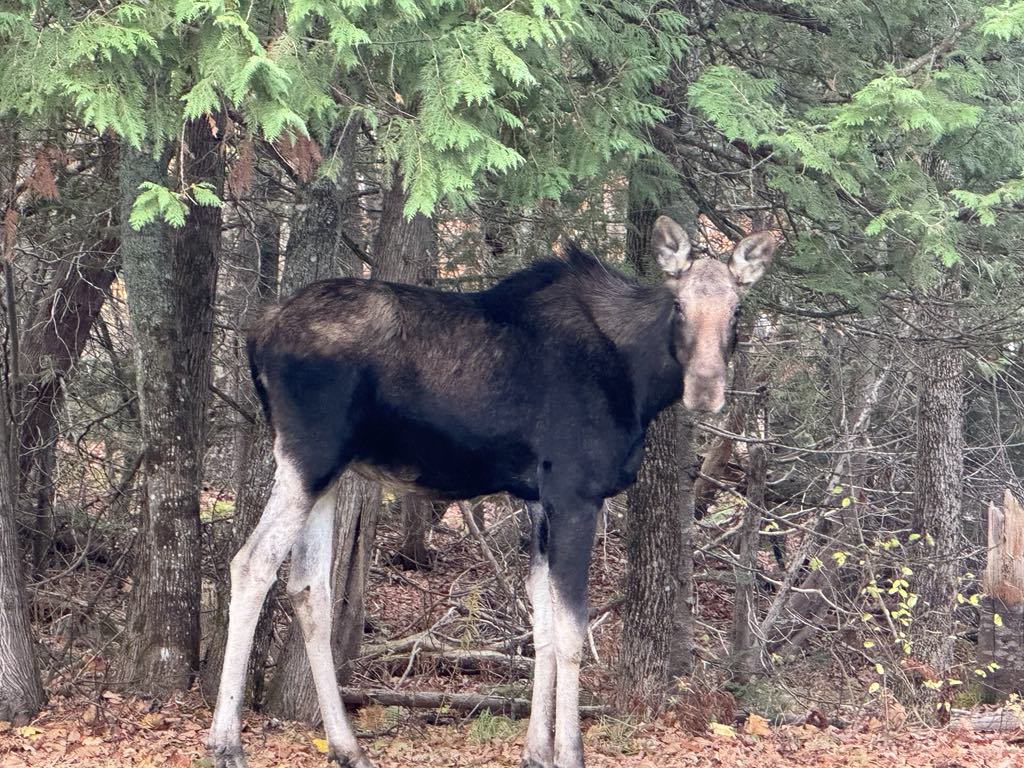
Maine’s iconic moose population is in decline, and proposed changes to moose hunting regulations risk accelerating that decline rather than reversing it. Among the most concerning ideas under discussion is the addition of a September moose hunt in Wildlife Management Districts (WMD) 7–9, 12–15, and 17 during peak rut season. At a time when Maine’s moose herd is already under significant pressure, this proposal raises serious biological, economic, and ethical concerns.
Data from the Maine Department of Inland Fisheries and Wildlife (MDIF&W) shows that moose permits have increased dramatically over the past several decades. Since the 1990s, permits have risen by approximately 310%, including nearly a 50% increase since 2006. Yet despite this sharp rise in permits, moose harvest success has declined statewide. In WMD 9 alone, harvest numbers have dropped by roughly 50%. For 2025, MDIF&W plans to issue 4,105 moose permits, but harvest success continues to fall, leaving many hunters unsuccessful and raising questions about herd health and sustainability.
At the same time, Maine’s overall moose population has dropped by an estimated 25%, declining from roughly 70,000–80,000 animals in the 1990s to 50,000–60,000 today. A decline of this magnitude should prompt caution, yet permit numbers continue to rise.
MDIF&W attributes much of this population decline to winter ticks, citing studies that suggest more than 50% of calf mortality in some years is due to tick infestation. While winter ticks are undeniably a concern, the science guiding management decisions deserves closer scrutiny. The Department has acknowledged that calf mortalities are often categorized as tick-related even when no ticks are observed on the animal. This practice raises legitimate concerns about the reliability of the data being used to justify increasingly aggressive harvest strategies.
Other contributing factors to calf mortality must also be considered, particularly the impact of cow hunts. In WMDs 2, 4, and 8, cow permits remain high, despite the biological reality that moose calves depend entirely on their mothers for their first year of life. Unlike deer, orphaned moose calves are not adopted by other cows. If a cow is harvested, her calf is left to face Maine’s long winter alone, without guidance, protection, or learned survival behaviors. The harsh reality is, this calf will die.
Although you will read that “Calves remain with their mother for one full year…” on the MDIF&W informational webpage, Maine’s Moose Biologist, Lee Kantar suggested in 2021 that calves will “adapt” to this loss. From a scientific standpoint, that argument does not hold. Adaptations occur over many generations through survival-driven changes in behavior, physiology, or structure. When calves do not survive, adaptation cannot occur. The Department’s own statistics show that calf survival rates remain alarmingly low.
The effects of cow harvests extend beyond calf survival. In some regions, calving rates in successive years have dropped to as low as 40%, far below the roughly 80% considered healthy for a stable population. It is impossible to ignore that cows being harvested shortly after breeding season, when potentially pregnant, is heavily connected to the decline in birthing rates. Hunters naturally select large, healthy cows, removing prime breeding animals from the population and further disrupting both reproductive success and the genetic stability of the herd. Yet in 2025, MDIF&W issued 1,460 cow permits, including 550 permits in WMD 4A alone.
The proposal to reduce tick pressure by reducing moose density has also coincided with troubling trends in bull health. The added tags target only the healthiest and most mature moose in the herd. Guides and hunters throughout the Northwoods report seeing fewer mature bulls each year. This observation is supported by data showing that average bull weights have declined from approximately 1,106 pounds historically to just 715 pounds in 2023, while trophy antler spreads have dropped by more than 26%. These figures point to an increasingly immature herd and a gradual deterioration of the genetic strength necessary for long-term recovery.
Adding a second hunt during peak rut season would intensify pressure on the very animals the herd depends on most: mature breeding bulls. A dead bull cannot pass on his genetics, and younger bulls do not reach full physical and genetic expression until six to eight years of age. Overharvesting mature bulls disrupts breeding dynamics, weakens herd genetics, and helps explain the declining size and quality of bulls observed today.
Financial incentives must also be acknowledged. MDIF&W generates an estimated $3–$5 million annually from lottery application fees, approximately $400,000 from permit fees, and additional revenue from lottery-related events. The moose lottery application fees are the lifeblood of MDIF&W. A September hunt during peak rut would almost certainly increase applications and improve hunter success rates, which will in turn boost revenue, but at what cost to the herd?
Beyond biology, the economic implications for the Moosehead Lake Region are significant. Data from the Maine Office of Tourism shows that early fall is the busiest tourism season of the year in the Moosehead Lake Region. Visitors come specifically to experience peak foliage and to see Maine’s moose alive in their natural habitat. Wildlife viewing, photography, guiding, lodging, dining, and outdoor recreation collectively support a thriving eco-tourism economy that far outweighs the economic benefit of an additional hunting week. Introducing a second hunt during this critical window not only risks undermining the very communities that rely on a healthy, visible moose population, but also has the potential to create safety issues among those who hunt the moose, and those who come to experience the region at the same time in an entirely different way.
Hunting is a valued part of Maine’s heritage and an important wildlife management tool. But science, economics, and long-term stewardship all point to the same conclusion: we are pushing too hard, too fast. Overharvesting cows compromises calf survival, successful birth rates, and genetic stability. Overharvesting bulls weakens herd genetics. Adding more weeks of hunting during the rut compounds both problems.
If moose hunting is to remain a sustainable and respected tradition for future generations, management decisions must be guided by sound science and long-term vision, not short-term revenue or increased hunter success alone. Maine’s moose are more than a resource; they are an icon of the Northwoods, a cornerstone of our tourism economy, and a responsibility we hold in trust for those who come after us.
The following individuals have added their names in support: Donald Lewis, Registered Maine Guide of Rockwood, (207) 951-5003; Chris Young, Registered Maine Guide of Greenville, (207) 695-2661; Darcy Baird, Life Science Educator and Wildlife Photographer of Rockwood, (207) 213-0500; Bob Lawrence, Master Maine Guide of Rockwood, (207) 717-9646; Jolene Staruch, Registered Maine Guide of Greenville, (978) 877-0374; Derek Heady, Registered Maine Guide of Blanchard, (413) 531-1040; Jeremy Hargreaves, Registered Maine Guide of Shirley, (207) 787-4437; and Eric Holbrook, Master Maine Guide of Greenville, (207) 349-0366.
Please contact us anytime with questions or comments. Registered Maine Guides, Hunters, and Educators are available to speak with you upon request as well. Thank you for your time.